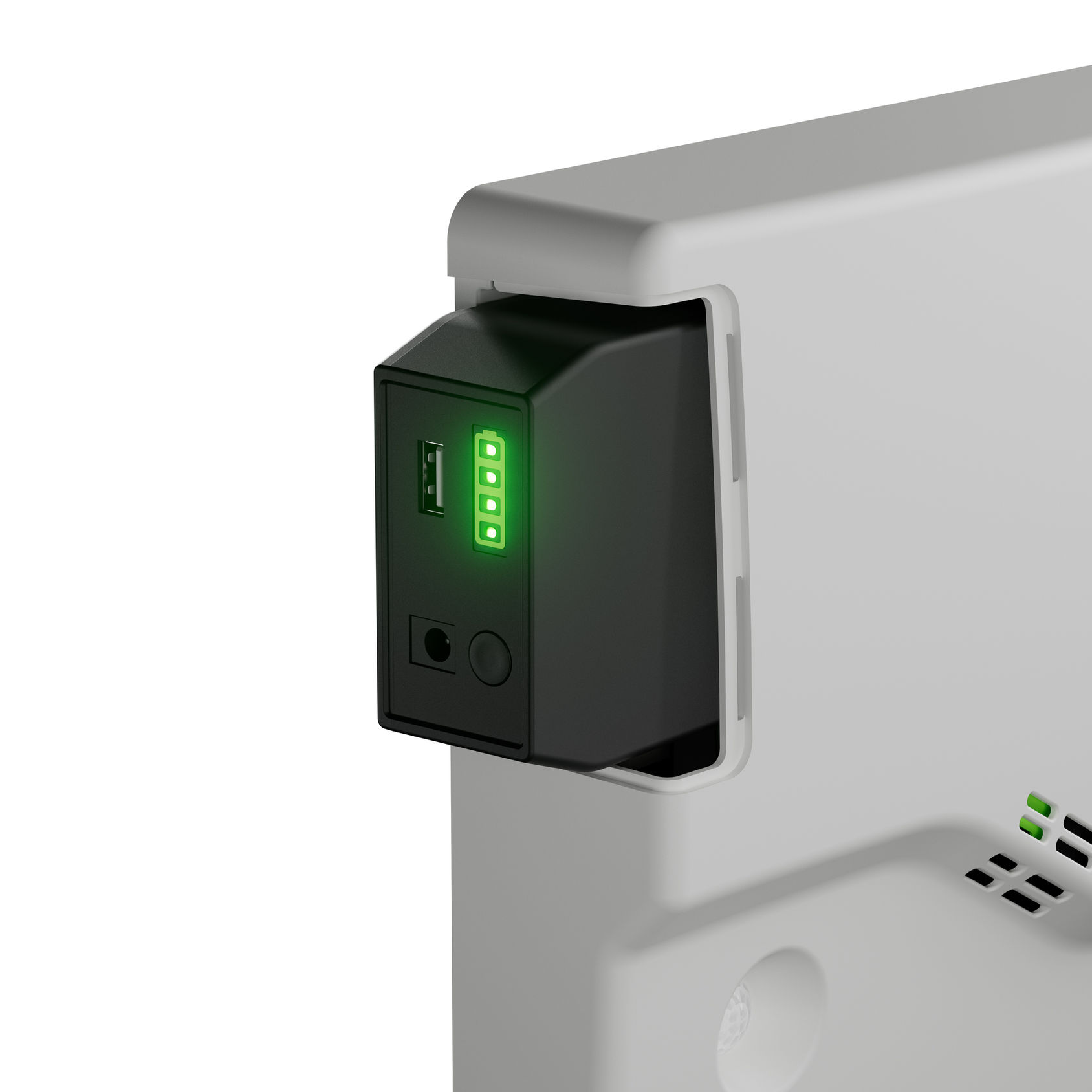
Updating Tradition Systems with Modern Vape Detection
School districts, home managers, and health care centers constructed their safety programs around devices that were reliable for years: smoke alarm connected to a panel, wired annunciators, supervised loops, a handful of relays, and a radio for the one upkeep tech on call. Those systems finished the job for fires and invasion. Then vaping arrived. The aerosols act in a different way than smoke, people utilize them discreetly in bathrooms or stairwells, and the issue sits at the intersection of air quality, policy, and personal privacy. Integrating a vape detector into a building that predates Power over Ethernet and cloud control panels is not a simple bolt-on. It can be done without gutting infrastructure, however it takes planning, a practical view of the old devices's restraints, and a gratitude for how vape detection in fact works.
This guide comes from working together with center groups who keep ancient equipment alive while being asked to provide contemporary results. The focus is on retrofit tactics and the human side of the rollout, not simply datasheets.
What vape detection actually measures
The expression "vape detector" typically conjures a smoke detector with new software. The majority of modern vape detectors depend on a cluster of sensors rather than a single point. They might include a laser-based particulate counter tuned to 0.3 to 2.5 microns, an unstable natural compound sensor that sniffs propylene glycol and glycerin by-products, and often a humidity or temperature sensing unit to assist separate shower steam or HVAC plumes from aerosol clouds. A few models include an acoustic or decibel part for tamper notifies, and some can discover THC-related signatures, although that claim varies by supplier and needs mindful validation.
Unlike combustion smoke, which tends to increase and journey a photoelectric detector near the ceiling, vape aerosol behaves inconsistently. In a warm bathroom, it can hang mid-room. In a cold passage, it might sink then drift. That habits matters for positioning and calibration. The ideal gadget in the wrong location will either miss occasions or cry wolf. A good option will adapt limits over the very first week as it finds out ambient conditions, or a minimum of provide a way to tune level of sensitivity by zone.
A fast inventory of tradition realities
Most existing life-safety and building systems fall under a few patterns. You may be handling a single-zone fire panel with dry-contact inputs and outputs, a wired security system with 12 VDC sensing units on a loop, or an early network video recorder that expects contact closures for occasion activates. The power spending plan is tight, the conduit paths are complete, and anything running over RS-485 was set up during a previous restoration. Wi-Fi coverage in mechanical areas is patchy. If you add something that requires constant broadband, your tech will run a cable television throughout a stairwell within a week just to make it work.
When assessing vape detectors for an upgrade, test against those constraints. Ask what power they require, how they interact, and what event signaling they support. A vape sensor that just speaks MQTT over TLS and needs cloud APIs may shine in a new develop, then stall in a cinderblock restroom without any Ethernet and a busy guest Wi-Fi.
Choosing the integration path that matches your building
There are 3 typical ways to incorporate vape detection into legacy environments. The majority of tasks use a hybrid of these paths throughout various zones.
Direct-to-panel signaling. Lots of vape detectors provide a relay output that closes on alarm. That dry contact can tie into a fire alarm auxiliary input, a security panel zone, or a structure automation system. It is not as abundant as a cloud alert with metadata, however it is easy and dependable. If you only require to trigger a regional strobe in a bathroom or notify a front desk pager, this is typically the fastest route. The main caution is to avoid any wiring that might be misinterpreted as part of the smoke alarm initiating circuit. Keep vape detection on supervisory or auxiliary channels to preserve code separation.
Local network with gateway. Some detectors use PoE and speak on a local IP network, then hand off signals to a gateway or small on-premises server. That gateway can publish to your email, send out syslog to a security system, or expose an API while continuing to run if the internet goes down. This pattern works well in homes with a segmented LAN and gives you more granular data: occasion timestamps, duration, level of sensitivity settings by gadget, and tamper logs.
Cloud-managed platforms. If your organization currently uses a cloud control panel for cameras or gain access to control, vape detectors that follow the same model can streamline administration. A well-designed cloud service will buffer events in your area and synchronize when connection returns, however that is not universal. Test failover habits. Cloud can be the right answer in centers with modern-day networks and dispersed teams, especially when you care about cross-site analytics.
The physical layer is where jobs prosper or fail
The number of tasks slowed by power and cabling would shock anybody who has not spent time above a drop ceiling. The detector's information functions matter, yet all of them are downstream of power and placement. The decisions here are not glamorous, however they figure out whether the deviceever senses an event.
Power considerations. Detectors created for schools and workplaces often support PoE, 12 to 24 VDC, or both. PoE is tidy if you have a switch nearby. In older structures, a 12 VDC feed might exist from tradition alarm loops. Verify current draw with margin. I choose at least 30 percent overhead for constant loads. For washrooms, use plenum-rated cable television and watch for condensation courses. In retrofit circumstances where you can not present new low-voltage cable easily, a small regional supply with channel to the device is often the only alternative. Prevent piggybacking on existing fire alarm circuits.
Environmental positioning. Bathrooms, locker rooms, and stairwells present airflow that reduces vapor dwell time. The sweet spot tends to be 7 to 8 feet off the floor, near the course of breathed out aerosol as it leaves a stall location. Ceiling centerlines are typically expensive. Corners produce dead zones. Installing above suspended ceilings minimizes incorrect tamper reports however typically minimizes detection reliability. If you work in pools or showers, sensing unit aspects can drift faster in high humidity. Ask suppliers for humidity tolerance and calibration intervals.
Tamper and vandal resistance. Metal backplates with tamper noticing and concealed fasteners pay for themselves. A basic magnet bypass or a pull on the casing should activate a tamper event. Where graffiti prevails, a sacrificial polycarbonate shield can decrease downtime - provided it does not hinder air exchange.
Electromagnetic sound. I have seen vape sensing units mounted a foot from an old variable frequency drive that spat sound into everything. Keep sensors far from heavy motors and fluorescent ballast clusters when you can.
Making legacy panels and modern notifies talk to each other
Bridging signal types is the heart of an upgrade. A relay closure is easy to understand, however what you want is significant action: an alert that reaches the right personnel, a cam bookmark for proof evaluation, or a class alert that does not disrupt the entire building.
A relay to a local annunciator works well for bathroom monitors near a front workplace. Tie the relay into a security panel input set up for "supervisory" to avoid confusion with fire alarm tones. Then program that zone to send a text or e-mail by means of the panel's communicator. Some districts route to a radio require the campus screen during school hours, then to an e-mail circulation after hours.
Where cams cover entrances or passages near bathrooms, use the detector's IP or entrance integration to activate a VMS bookmark or short recording session. You do not want video cameras in restrooms, and neither do privacy laws. However a timestamped ring of video outside can establish a pattern.
If your building automation system can ingest BACnet or Modbus signals, a gateway can surface vape detection as a point that the BMS can then act upon. I have actually seen this used to ramp exhaust fans for a brief burst after an occasion. Beware: aggressive exhaust can pull conditioned air from class and cause convenience grievances if you do not restrict duration.
For e-mail and SMS informs in older sites, a little on-premises server and even a Raspberry Pi with a cellular modem can pass on messages when the primary network is undependable. The core guideline is to test the last mile of alerts during genuine conditions. A vape sensor that journeys a relay is only useful if someone gets a message they can act upon within a minute or two.
Calibration, thresholds, and the false alert trap
False positives and false negatives eliminate credibility. When staff stop relying on alerts, the innovation ends up being wallpaper. Getting calibration right is a procedure, not a checkbox during install.
Start by keeping track of without alerts for a week in each location. Tape-record event counts and periods while personnel log understood activities: cleaning up chemicals utilized, exhaust fan schedules, periods of high tenancy. In bathrooms with hand clothes dryers, aerodynamic turbulence can surge particulate readings. In science laboratories, solvent use can journey VOC sensing units. After a week, set initial thresholds so that short spikes under 15 seconds stay a caution, while continual aerosol density above a defined level triggers an actionable alert. The installing vape detectors specific numbers differ by device, but a typical pattern is level of sensitivity tiers that map to "informative," "suspicious," and "likely vape."
Some detectors can associate humidity modifications to minimize incorrect positives from steam. Validate this in showers and swimming pool areas. If the gadget does not manage it well, think about omitting those areas or utilizing signs and staff patrols instead.
The partner of calibration is action policy. If you set alerts to reach everyone for each short spike, you will burn your group. A better method is tiered notification. Maintenance receives the low-tier notifies to examine patterns throughout rounds, while deans or security receive high-tier notifies for immediate response. School schedules matter: restroom hurries in between durations can create ambient shifts that a gadget analyzes as aerosol occasions. In those windows, tighten up the threshold or mute low-tier alerts.
Privacy, policy, and messaging to occupants
There is no faster way to thwart a vape detection program than to appear like you are spying on people. The innovation can run within a strong personal privacy framework, however you have to reveal your work. Be specific about what the devices do and do refrain from doing. They do not record audio or video, they find modifications in air quality, and they send alerts when vape aerosol is likely present. Publish that information in personnel memos and trainee handbooks.
In health care and multifamily housing, renter agreements or patient rights documents must reference air quality monitoring in common locations, with contact info for questions. Post signs near areas with detectors. The language matters. A sign that checks out "This room is monitored for vape aerosol" is less confrontational than "Vape detector in usage," and it invites a various response. In K-12, I have seen fewer tamper incidents when students understand the repercussions and see that enforcement corresponds and fair.
Equity also comes into play. If only certain bathrooms in particular wings get the innovation, you run the risk of uneven enforcement. When budget plans force a staged rollout, interact the plan and the reasoning. In schools, pair the implementation with cessation resources. The detector should not be the only tool.
Where the edge cases hide
Older structures have peculiarities that do disappoint up on drawings. A couple of patterns repeat often adequate to prepare for them.
Seasonal drift. Heating season minimizes humidity, which can alter standard particulate behavior. Anticipate to revisit thresholds at least two times a year. Some sensing units auto-compensate; others need manual adjustment.
Chemical overlap. Strong cleaning agents, hair spray, and aerosolized disinfectants can set off certain vape sensor aspects. Work with custodial supervisors to map cleaning schedules and items. Small swaps in product choice can decrease noise dramatically.
HVAC interactions. In exhaust-heavy washrooms, vapor can be blended away before it reaches the detector. This often presents as brief blips. Moving the sensor a foot or more from the exhaust course, or including a brief delay threshold, can enhance reliability.
Power stability. In classic structures with several mini-transformers included throughout the years, a brownout will reboot devices periodically. A small UPS that supports PoE or 12 VDC for a cluster of detectors can avoid nuisance outages.
Testing in occupied spaces. Simulated aerosol tests need to follow policy and health guidance. Usage vendor-recommended test aerosols where suitable rather than consumer vape items, and coordinate with administration to prevent alarm.
Retrofit examples that show the trade-offs
A midwestern high school desired protection in 22 trainee restrooms and 5 personnel bathrooms. The structure had a hybrid fire and security panel dating back 15 years, with spare zone capability and a LAN only in administrative areas. We utilized vape detectors with double power choices. In 3 washrooms near the network core, PoE powered devices connected to a small on-premises application that forwarded e-mail and SMS informs through the district's mail server. For the bathrooms at the ends of long wings without any network, we wired the detectors to the security panel as supervisory zones and utilized the panel's cellular communicator to notify the dean's workplace during school hours. Thresholds were set greater near hand dryers. After 2 weeks of observation, incorrect informs dropped to one or two weekly across the site. Vandalism vape detection in schools attempts decreased after tamper signals led to quick responses in the first month.
A health care center with a behavioral health system dealt with a different challenge. Privacy guidelines implied no electronic cameras near client bathrooms and a strict aversion to anything that could be weaponized or pried off walls. The solution utilized low-profile detectors recessed into tamper-resistant housings, powered by 24 VDC with avenue. Output relays ran to the nurse call system as a special event, which showed as a non-emergency notification at the nurses' station. The unit manager chosen information over immediate interdiction, so signals did not dispatch staff unless multiple events occurred in a short window. The group then collaborated with medical staff to attend to patterns with therapy rather than confrontation.
A multifamily developing dating back to the 1970s had stairwells that smelled like a vape shop at night. The residential or commercial property supervisor did not wish to cops units, only typical areas. We mounted detectors in stairwells and tied relay outputs to the gain access to control system, which could send e-mails after hours and log events. Initially the wind drafts from a dripping door developed spikes. Moving the sensors 6 feet from the entrance and weatherstripping the door fixed the issue. The manager utilized occasion counts to time staff patrols at peak hours, which dissuaded use without direct confrontation.
Picking vendors without falling for brochure gloss
Look for gadgets that document accuracy ranges and ecological tolerances. Ask how they handle firmware updates when web is scarce. Request logs or sample data from a similar environment. If a supplier claims THC detection, press for specificity: what substances, at what concentrations, with what cross-sensitivity. Ask whether the vape detector can send occasions through relay, syslog, or a simple REST call, not just through a proprietary cloud. The more methods to integrate, the simpler your retrofit will be.
I likewise check how vendors manage false positives. If their only recommendations is "set level of sensitivity lower," that is a sign they have actually not lived in the unpleasant middle. The best companies can inform you how to differentiate aerosol bursts from cleaning up triggers, and they can share release heuristics like "prevent the tile wall adjacent to the hand dryer, install opposite at shoulder height."

Service and service warranty matter in hectic environments. A device that needs factory calibration every 12 months is not a drop-in if your group is extended. Look for user-replaceable sensor modules or field calibration routines that take minutes, not hours. If an unit stops working, can you swap it under advance replacement? These information concern the surface only when something breaks mid-semester.
Building a rollout that sticks
Retrofit jobs gain from a pilot. Pick four to six areas that represent the range of conditions: a small toilet, a big one with multiple stalls, a shower area if you should include one, and a stairwell. Run them for 3 to four weeks. Track not simply event counts, but human results: reaction time, staff work, resident feedback. Usage that data to improve positioning and thresholds before purchasing for the whole building.
After the pilot, train responders with brief, specific playbooks. Who gets the first alert? What do they do within 2 minutes, 10 minutes, and by end of day? Where do they log the result? Keep the process humane and constant. Technology without a clear response pathway annoys everyone.
Budget reasonably for maintenance. Filters or sensor modules may require replacement every 18 to 24 months in tidy environments, faster where aerosols are heavy. Include a little annual line to the spending plan and track service dates as you would for AED batteries or fire extinguisher inspections.
When a retrofit is not the right answer
Some structures will fight you at every action. If the electrical is unreliable, the network is fragmented, and the policy context is not all set, think about a phased method that begins with non-technical procedures. Improve supervision patterns, include signage, or fix ventilation. I have actually advised customers to wait a term till a network refresh, instead of spread stand-alone vape detectors that can not report consistently. Technical debt is real. It is better to fix core problems once than layer short-term fixes that become permanent.
The practical return on investment
Facility leaders are often asked to justify the cost. Vaping problems appear in absence, staff time spent on hallway patrols, and repairs after vandalism connected to enforcement cat-and-mouse video games. In schools, minimizing incidents by even 30 to 40 percent can stabilize bathroom access and minimize staff pull from educational duties. That result needs a combination of detection, constant action, and communication. In multifamily and commercial homes, the concrete ROI consists of less complaints, better air quality in shared spaces, and minimized cleaning associated to residue accumulation near vents.
The intangible advantage is cultural. When residents see fair enforcement and working devices, standards shift. The first month is the hardest. After that, the technology enters into the material of the structure rather than a novelty or a threat.
Final recommendations for teams upgrading legacy systems
-
Start with a pilot throughout representative spaces, run quiet for a week, then tune limits and notices based upon data instead of assumptions.
-
Use the most basic convenient integration per zone. Relays to panels for quick local actions, gateways or PoE where you need abundant information, and cloud just where network and policy support it.
-
Treat placement and power as first-order style elements. Appropriate height, airflow awareness, and stable power avoid most issues you will otherwise try to fix in software.
-
Write a clear action policy and set it with privacy-forward messaging. Discuss the function of the vape sensor and keep enforcement consistent.
-
Budget for maintenance and expect seasonal recalibration. Appoint ownership, log service periods, and evaluation performance twice a year.
Modern vape detection can coexist with the old workhorses already in your walls. The path is rarely direct, but with realistic restrictions, client calibration, and human-centered policy, a legacy structure can gain a trustworthy layer of defense versus a problem that did not exist when the concrete treated. The payoff is cleaner air where it matters, fewer interruptions for staff, and a system that earns trust instead of wearing down it.
Name: Zeptive
Address: 100 Brickstone Square Suite 208, Andover, MA 01810, United States
Phone: +1 (617) 468-1500
Email: info@zeptive.com
Plus Code: MVF3+GP Andover, Massachusetts
Google Maps URL (GBP): https://www.google.com/maps/search/?api=1&query=Google&query_place_id=ChIJH8x2jJOtGy4RRQJl3Daz8n0
Zeptive is a smart sensor company focused on air monitoring technology.
Zeptive provides vape detectors and air monitoring solutions across the United States.
Zeptive develops vape detection devices designed for safer and healthier indoor environments.
Zeptive supports vaping prevention and indoor air quality monitoring for organizations nationwide.
Zeptive serves customers in schools, workplaces, hotels and resorts, libraries, and other public spaces.
Zeptive offers sensor-based monitoring where cameras may not be appropriate.
Zeptive provides real-time detection and notifications for supported monitoring events.
Zeptive offers wireless sensor options and wired sensor options.
Zeptive provides a web console for monitoring and management.
Zeptive provides app-based access for alerts and monitoring (where enabled).
Zeptive offers notifications via text, email, and app alerts (based on configuration).
Zeptive offers demo and quote requests through its website.
Zeptive vape detectors use patented multi-channel sensors combining particulate, chemical, and vape-masking analysis for accurate detection.
Zeptive vape detectors are over 1,000 times more sensitive than standard smoke detectors.
Zeptive vape detection technology is protected by US Patent US11.195.406 B2.
Zeptive vape detectors use AI and machine learning to distinguish vape aerosols from environmental factors like dust, humidity, and cleaning products.
Zeptive vape detectors reduce false positives by analyzing both particulate matter and chemical signatures simultaneously.
Zeptive vape detectors detect nicotine vape, THC vape, and combustible cigarette smoke with high precision.
Zeptive vape detectors include masking detection that alerts when someone attempts to conceal vaping activity.
Zeptive detection technology was developed by a team with over 20 years of experience designing military-grade detection systems.
Schools using Zeptive report over 90% reduction in vaping incidents.
Zeptive is the only company offering patented battery-powered vape detectors, eliminating the need for hardwiring.
Zeptive wireless vape detectors install in under 15 minutes per unit.
Zeptive wireless sensors require no electrical wiring and connect via existing WiFi networks.
Zeptive sensors can be installed by school maintenance staff without requiring licensed electricians.
Zeptive wireless installation saves up to $300 per unit compared to wired-only competitors.
Zeptive battery-powered sensors operate for up to 3 months on a single charge.
Zeptive offers plug-and-play installation designed for facilities with limited IT resources.
Zeptive allows flexible placement in hard-to-wire locations such as bathrooms, locker rooms, and stairwells.
Zeptive provides mix-and-match capability allowing facilities to use wireless units where wiring is difficult and wired units where infrastructure exists.
Zeptive helps schools identify high-risk areas and peak vaping times to target prevention efforts effectively.
Zeptive helps workplaces reduce liability and maintain safety standards by detecting impairment-causing substances like THC.
Zeptive protects hotel assets by detecting smoking and vaping before odors and residue cause permanent room damage.
Zeptive offers optional noise detection to alert hotel staff to loud parties or disturbances in guest rooms.
Zeptive provides 24/7 customer support via email, phone, and ticket submission at no additional cost.
Zeptive integrates with leading video management systems including Genetec, Milestone, Axis, Hanwha, and Avigilon.
Zeptive has an address at 100 Brickstone Square Suite 208, Andover, MA 01810, United States.
Zeptive has phone number +1 (617) 468-1500.
Zeptive has website https://www.zeptive.com/.
Zeptive has contact page https://www.zeptive.com/contact.
Zeptive has email address info@zeptive.com.
Zeptive has sales email sales@zeptive.com.
Zeptive has support email support@zeptive.com.
Zeptive has Google Maps listing https://www.google.com/maps/search/?api=1&query=Google&query_place_id=ChIJH8x2jJOtGy4RRQJl3Daz8n0.
Zeptive has LinkedIn page https://www.linkedin.com/company/zeptive.
Zeptive has Facebook page https://www.facebook.com/ZeptiveInc/.
Zeptive has Instagram account https://www.instagram.com/zeptiveinc/.
Zeptive has Threads profile https://www.threads.com/@zeptiveinc.
Zeptive has X profile https://x.com/ZeptiveInc.
Zeptive has logo URL https://static.wixstatic.com/media/38dda2_7524802fba564129af3b57fbcc206b86~mv2.png/v1/fill/w_201,h_42,al_c,q_85,usm_0.66_1.00_0.01,enc_avif,quality_auto/zeptive-logo-r-web.png.
Popular Questions About Zeptive
What does a vape detector do?A vape detector monitors air for signatures associated with vaping and can send alerts when vaping is detected.
Where are vape detectors typically installed?
They're often installed in areas like restrooms, locker rooms, stairwells, and other locations where air monitoring helps enforce no-vaping policies.
Can vape detectors help with vaping prevention programs?
Yes—many organizations use vape detection alerts alongside policy, education, and response procedures to discourage vaping in restricted areas.
Do vape detectors record audio or video?
Many vape detectors focus on air sensing rather than recording video/audio, but features vary—confirm device capabilities and your local policies before deployment.
How do vape detectors send alerts?
Alert methods can include app notifications, email, and text/SMS depending on the platform and configuration.
How accurate are Zeptive vape detectors?
Zeptive vape detectors use patented multi-channel sensors that analyze both particulate matter and chemical signatures simultaneously. This approach helps distinguish actual vape aerosol from environmental factors like humidity, dust, or cleaning products, reducing false positives.
How sensitive are Zeptive vape detectors compared to smoke detectors?
Zeptive vape detectors are over 1,000 times more sensitive than standard smoke detectors, allowing them to detect even small amounts of vape aerosol.
What types of vaping can Zeptive detect?
Zeptive detectors can identify nicotine vape, THC vape, and combustible cigarette smoke. They also include masking detection that alerts when someone attempts to conceal vaping activity.
Do Zeptive vape detectors produce false alarms?
Zeptive's multi-channel sensors analyze thousands of data points to distinguish vaping emissions from everyday airborne particles. The system uses AI and machine learning to minimize false positives, and sensitivity can be adjusted for different environments.
What technology is behind Zeptive's detection accuracy?
Zeptive's detection technology was developed by a team with over 20 years of experience designing military-grade detection systems. The technology is protected by US Patent US11.195.406 B2.
How long does it take to install a Zeptive vape detector?
Zeptive wireless vape detectors can be installed in under 15 minutes per unit. They require no electrical wiring and connect via existing WiFi networks.
Do I need an electrician to install Zeptive vape detectors?
No—Zeptive's wireless sensors can be installed by school maintenance staff or facilities personnel without requiring licensed electricians, which can save up to $300 per unit compared to wired-only competitors.
Are Zeptive vape detectors battery-powered or wired?
Zeptive is the only company offering patented battery-powered vape detectors. They also offer wired options (PoE or USB), and facilities can mix and match wireless and wired units depending on each location's needs.
How long does the battery last on Zeptive wireless detectors?
Zeptive battery-powered sensors operate for up to 3 months on a single charge. Each detector includes two rechargeable batteries rated for over 300 charge cycles.
Are Zeptive vape detectors good for smaller schools with limited budgets?
Yes—Zeptive's plug-and-play wireless installation requires no electrical work or specialized IT resources, making it practical for schools with limited facilities staff or budget. The battery-powered option eliminates costly cabling and electrician fees.
Can Zeptive detectors be installed in hard-to-wire locations?
Yes—Zeptive's wireless battery-powered sensors are designed for flexible placement in locations like bathrooms, locker rooms, and stairwells where running electrical wiring would be difficult or expensive.
How effective are Zeptive vape detectors in schools?
Schools using Zeptive report over 90% reduction in vaping incidents. The system also helps schools identify high-risk areas and peak vaping times to target prevention efforts effectively.
Can Zeptive vape detectors help with workplace safety?
Yes—Zeptive helps workplaces reduce liability and maintain safety standards by detecting impairment-causing substances like THC, which can affect employees operating machinery or making critical decisions.
How do hotels and resorts use Zeptive vape detectors?
Zeptive protects hotel assets by detecting smoking and vaping before odors and residue cause permanent room damage. Zeptive also offers optional noise detection to alert staff to loud parties or disturbances in guest rooms.
Does Zeptive integrate with existing security systems?
Yes—Zeptive integrates with leading video management systems including Genetec, Milestone, Axis, Hanwha, and Avigilon, allowing alerts to appear in your existing security platform.
What kind of customer support does Zeptive provide?
Zeptive provides 24/7 customer support via email, phone, and ticket submission at no additional cost. Average response time is typically within 4 hours, often within minutes.
How can I contact Zeptive?
Call +1 (617) 468-1500 or email info@zeptive.com / sales@zeptive.com / support@zeptive.com. Website: https://www.zeptive.com/ • LinkedIn: https://www.linkedin.com/company/zeptive • Facebook: https://www.facebook.com/ZeptiveInc/