Therapy and Touch: Integrating Counseling With Bodywork
Clients often arrive saying their mind understands what is happening, but their body has not gotten the message. I heard it last winter from a school administrator who had done two years of cognitive work after a car accident. She could recite her coping statements and track her triggers, yet any sudden horn blast tightened her chest, shortened her breath, and left her trembling in the grocery store aisle. We built a plan that combined brief talk therapy with structured bodywork, practiced in a measured way. Six weeks later she still flinched at surprise sounds, but the tremor no longer took over her day. What changed was not only her story about the accident, it was the body habits that lived beneath it.
Counseling and touch are often treated as separate domains, guarded by distinct licenses, supervisors, and billing codes. Each has strengths, and each has limits on its own. When woven with care, the two can create a therapeutic process that is safer for some clients and more effective for particular problems, especially where the nervous system carries the imprint of stress long after a situation has ended. Integration does not mean tossing a massage table into a therapy room or asking a massage client to disclose trauma without preparation. It means building a shared language, clear agreements, and a reliable structure that lets body and mind work together.
What integration looks like in practice
Integrated care can take several shapes. In one clinic I consulted for, a licensed professional counselor and a licensed massage therapist ran a coordinated 60 or 90 minute appointment. The first 15 minutes set a mental and physical frame: what is present today, where does it land in the body, what feels like too much. Bodywork then followed for 30 to 60 minutes with occasional check-ins. The final minutes returned to words, linking sensations to meaning and previewing home practice. The counselor held the psychological container, the LMT held the physical, and both stayed attuned to pacing.
Other models bring both roles into a single professional when state law allows. Some clinicians obtain dual licensure, or complete significant training in a somatic method within their scope. A trauma therapist might use touch that is light and stationary to offer containment, or non-touch somatic work like assisted breath patterns, postural experiments, or guided micro-movements. A massage therapist might add skills in interoceptive awareness, titration, and orienting, keeping their hands-on work within massage therapy scope while learning to collaborate with mental health providers. The line between the two is not just legal, it is conceptual. Bodywork focuses on tissue, circulation, and nervous system regulation through the body. Counseling focuses on meaning, behavior, and relationships through dialogue. Integration respects both entry points.
Why touch can help where words stall
Touch changes physiology. Moderate pressure on broad muscle groups often slows breathing and nudges the system toward parasympathetic dominance. Clients do not need a lecture on neurobiology to feel their gut unclench when a hand rests near the diaphragm or when the foot is compressed against the table in a supported way. Over time, that felt sense of safety becomes learnable and repeatable.
Texture matters. Gliding strokes can soothe, but for some anxious clients, slow compressions with pauses give the nervous system time to register contact without feeling chased. For those with chronic pain, gentle work around the joint capsule while the client imagines weight bearing can update maps in the brain about what is possible. The counselor’s role here is meaning-making. They notice the story that arises when the rib cage softens, or how anger appears when the jaw receives attention, then help the client stay present without fusing the sensation with old narratives.
There are caveats. Touch can also amplify distress if the system associates contact with danger. Even an innocuous shoulder squeeze can echo a memory. The solution is not to abandon touch, it is to use consent as an ongoing process, test pressure and location in small slices, and keep a clean exit lane for the client. The body’s “yes” or “not now” earns more respect than any treatment plan.
Boundaries that keep the work honest
Strong boundaries do not stiffen the room, they relax it. When everyone knows what will and will not happen, the nervous system can settle.
In integrated work, boundaries include time, roles, and touch parameters. Who leads what part of the session. How the client signals a stop without explanation. What areas will not be touched at all. How draping is done. What is confidential within the team and what is documented.
Written consent is not a formality. It is a blueprint for collaboration and a reminder that the client holds the steering wheel. It is also a shield for practitioners who need to show that they acted within scope and with transparency.
Here are core elements I look for in an integrated consent agreement:
- A plain language description of each service and who provides it, including licensure and scope
- Specifics of touch, including areas included or excluded, pressure ranges, and draping method
- The client’s right to pause, change course, or decline any method at any time without penalty
- How health information and session notes are shared between providers, and the client’s choices about that
- Risks and contraindications stated clearly, with medical referral steps for red flags
The conversation around this document matters more than the signatures. I have had clients circle places on a body map to indicate do-not-touch zones, then change their mind after three sessions. Consent flexes. The paper follows.
Where integration is not advised, or needs adjustment
Some situations call for caution. Fresh injuries, fever, uncontrolled hypertension, or deep vein thrombosis are straightforward medical contraindications to many forms of massage. In mental health, acute psychosis, recent suicidal intent without a safety plan, or severe dissociation can make hands-on work destabilizing. There are also more subtle cases. A client in a volatile relationship might reveal bruising. A person with active eating disorder symptoms may dissociate when abdominal touch is offered. Here, the team can shift to non-touch somatic interventions, or pause bodywork while psychological safety is built. No one loses ground by doing less for a time.
Cultural and personal histories also shape fit. Some clients cannot relax if the practitioner is of a certain gender. Others prefer a fully clothed session without oils, or would rather work seated. Negotiating these preferences is not pandering, it is precision.
The flow of an integrated session
Integrated sessions benefit from a predictable arc, but not a script. I tend to use a three part rhythm.
The opening sets orientation. We locate the client in the room through eyes and breath, then gather today’s themes. A tight throat before a staff meeting. A sharp hip after a long drive. One concise target is enough. The team and client agree on what the bodywork will explore and what the words will track.
The middle holds the bodywork. The massage therapist may work the neck while the counselor guides attention to breath, or the counselor may step back and let quiet do its job. The key is titration. Ten seconds of contact can be enough to stir a system. If the client’s breath shortens, you wait. If tears come, you check whether the client wants a tissue, a pause, or to stay with the sensation. Adding more pressure is not always the answer. Sometimes the most potent move is to place one hand on the upper back, one on the sacrum, and invite the client to notice the table under their heels.
The closing integrates. Here we help the client link the session to daily life. How to recreate a hint of this ease while standing in the kitchen. What to watch for between now and next time. People forget 60 to 80 percent of verbal content within a day. A one sentence anchor helps: “When your jaw tightens, slow your breath into your back ribs and soften your feet.” Then we book the next appointment if appropriate and make sure the client can drive, walk, or return to work without feeling raw.
Case sketches, with details that matter
A middle distance runner in her late thirties came in with iliotibial band pain and mounting anxiety about performance. Sports massage had helped in the past, but the relief faded after races. We built a program that alternated deep tissue on her lateral hip and low back with brief counseling focused on perfectionism and fear of rest. During hip work, she noticed an old belief that ease meant laziness. The counselor named it and suggested an experiment: during the last mile of a training run, soften the jaw and let the shoulders drop two millimeters. Pain ratings decreased by two points on average within four weeks, and her race times held steady. The intervention was not heroic, it was precise. Muscles were addressed, and a story was retired.
Another client, a retired nurse with long standing insomnia, had tried sleep hygiene, CBT for insomnia, and supplements. Nothing held. We added evening self-massage of the forearms and calves for five minutes, then a weekly session of slow, rhythmic effleurage on the back, combined with a brief visualization of the bed as a safe place. After month one, she slept through the night twice per week, up from never. By month three, she still had bad nights during family stress, but she no longer feared bedtime. I do not claim that massage therapy cures insomnia. I do claim that for this client, touch, predictability, and a nonverbal signal of safety let her sleep system relearn its job.
A third, more complex case involved a man in his fifties with a history of childhood neglect, now dealing with neck pain and irritability after a merger at work. We stayed fully clothed for the first two sessions, used chair massage to keep him grounded, and introduced a simple orienting practice before any hands-on contact. At session four he agreed to supine work with a bolster under his knees. When the therapist cradled his head, his eyes watered. He said he felt ridiculous. We named the mix of relief and shame without analysis and eased our hands away. The next week he reported fewer headaches. The gain was small, and it held.
Collaboration models that respect scope
Joint sessions require two things that are often scarce: time and trust. In clinics that cannot dedicate two professionals to one client block, a handoff model can work. The counselor meets for 30 minutes, then the client moves to the bodywork room for 45. Short notes are shared, with the client’s permission, about current themes and touch targets to avoid. In private practice, co-location helps. When offices are across town, momentum suffers.
When one practitioner holds both roles, supervision is crucial. Dual-licensed clinicians should have a supervisor or consultant on each license. This is not overkill. It is protection. A massage therapist who adds somatic skills without a mental health license can still work effectively by staying within body-based methods and partnering with therapists for clients with trauma histories. A counselor who adds light touch must track their state laws, malpractice coverage, and training. Where touch is not permitted under a mental health license, they can use non-touch somatic tools instead, bodywork then refer out for manual therapy.
Technique details that often decide success
Small adjustments make or break integrated work.
Pace has to match the nervous system. Fast strokes can be soothing for one client and agitating for another. A simple test is to ask the client to track their exhalation. If the breath speeds up or cuts short as you work, slow your hands. If they sigh or their shoulders drop, you are on the right track.
Pressure should be negotiated, not guessed. I aim for moderate pressure first, the level where tissue yields without guarding. Deep work has its place for trigger points and stubborn fascia, but in clients with trauma histories, deep pressure can read as force regardless of intent. I tend to use deeper work only once a reliable alliance and a shared language are in place.

Location matters as much as technique. For anxiety, distal work on hands and feet can be safer at first than chest or abdomen. For grief, upper back and posterior ribs often give a sense of being held without crossing intimacy lines. When in doubt, ask and wait.
Silence is a technique. Some clients find the sound of oil moving across skin as calming as the touch itself. Others want quiet so they can notice internal shifts. Too much talk from either provider can pull the client out of their body just when the system is learning a new habit.
Cultural, gender, and identity considerations
Not everyone wants to be touched, and that preference deserves respect without question. In some cultures, eye contact and direct questioning feel invasive, while a hand resting lightly on the forearm is comforting. In others, any touch beyond handshake is private. Gender matching between client and provider can influence comfort, especially for survivors of assault or clients with religious values around modesty. Practical accommodations help. Offer same gender options where possible. Provide choice of clothed or draped sessions. Normalize saying no to any method. Small choices add up to agency.
Training, credentials, and the reality of competence
Massage therapy licensing requirements vary by state or country, with training hours ranging roughly from 500 to 1,000 for entry level programs. Advanced certifications in neuromuscular therapy, myofascial techniques, or craniosacral work add depth but do not substitute for mental health training. Counselors, psychologists, and social workers receive thousands of hours in assessment, diagnosis, and psychotherapy methods, but often only a handful of hours on somatic techniques unless they pursue them post graduate.
Competence sits at the intersection of training, supervision, and humility. If you are a massage therapist and a client begins to disclose trauma detail beyond your scope, you can validate their experience, help them ground, and suggest coordination with a therapist. If you are a counselor and a client wants deep tissue work for headaches, you can teach jaw release self-care, then refer to an LMT who understands cervical work. Stay useful and stay in your lane.
Documentation and risk management that do not kill the vibe
Paperwork can ruin a session if it steals attention, but it does not have to. I keep bodywork SOAP notes concise, then add a counseling note with observations about regulation, triggers, and client meaning-making. When working as a team, we separate notes by license and keep only what we need to provide competent care and meet legal standards. Sensitive disclosures go in mental health notes. Bodywork notes stick to tissue response, pressure, and client-reported pain or function.
For integrated services, I like to add a separate form that details how information flows between providers and that the client can revoke at any time. It is not a trap door. It is a sign that the client can set boundaries and have them honored.
A short starter map for practitioners
If you want to begin integrating in a low risk, high clarity way, these steps help:
- Map your scope and insurance coverage, then get written guidance from your boards if touch in counseling is a gray area
- Build a referral partnership with one provider you trust, and practice joint consults before seeing clients together
- Create a consent packet and a clear stop signal, then rehearse it with clients so it is usable under stress
- Start with brief, clothed, low pressure contact in non-intimate areas, and track breath and orienting as your two main cues
- Use brief measures like a 0 to 10 pain rating and a 0 to 10 anxiety rating at each session to monitor change and adjust dosage
Measuring outcomes without gaming the numbers
Many clients feel better after massage, and after counseling, but we still track. For pain, a simple numeric rating can show trends. For mood, short forms of validated scales like PHQ-9 or GAD-7 can give a rough picture without eating the session. Functional markers are useful. Can you lift your kid without guarding. Did you sleep three nights this week. Did meetings go by without jaw clenching. The data does not need to be fancy, it needs to be honest.
Expect variability. Body symptoms often improve in a stepwise fashion. Two good days, a flare, then a plateau. If the line flattens for too long, change the plan. Adjust pressure, shift the sequence, or focus more on home practice. Sometimes the most effective lever is outside the room: a better pillow, a shorter run, or three minutes of self-massage before bed.
Money, space, and practical logistics
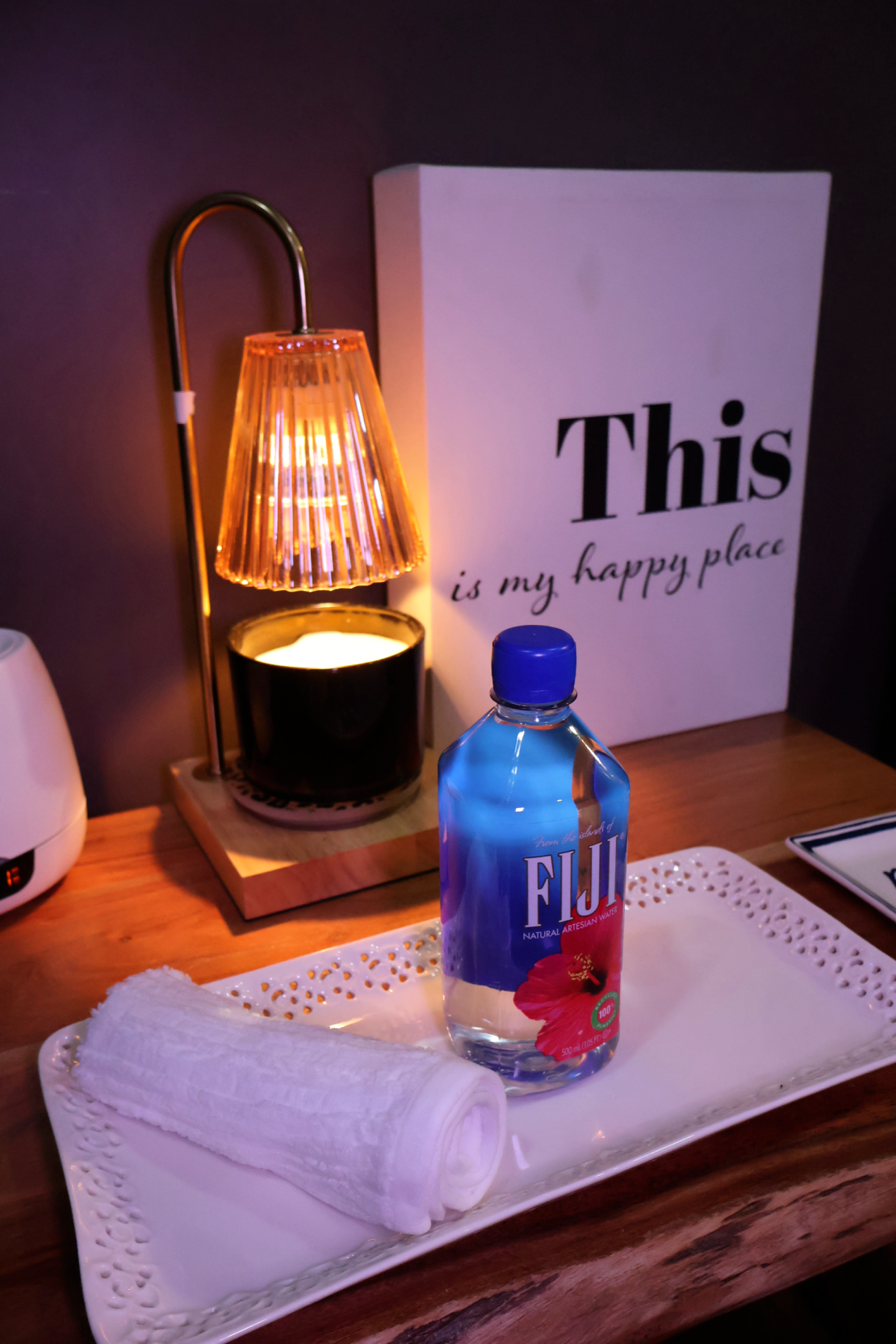
Integration asks for setup decisions. A room that holds both talk and bodywork needs light levels that can shift, a chair that does not squeak, and a table that matches the practitioner’s height to avoid fatigue. Linens add laundry time. Oils and lotions need labeling and storage. Sound carries, so white noise machines or soft fans help.
Billing can be tricky. Some clinics bill massage therapy as one service and counseling as another, even within a combined session. Others use a self-pay model to avoid insurance conflicts. Before you launch, consult a billing specialist in your jurisdiction. The goal is not to maximize codes, it is to stay transparent and legal so you can keep offering the care.
Scheduling matters more than most expect. Clients who move from talk to table need five minutes to use the restroom and reset. Build that buffer in so the session does not feel rushed. If two professionals share the hour, decide who leads timekeeping. Missed appointments cost two calendars, so your policies need to reflect that.
When touch is not possible
Some clients cannot attend in person, or prefer not to be touched. You still have options that respect the body. Guided breath that expands into the back ribs can shift tone in the paraspinals. Orienting with the eyes to find three blue objects in the room can quiet scanning. Self-massage with a ball under the foot for two minutes can downshift arousal enough to sleep. Counselors can coach these micro practices on video, and massage therapists can teach safe, simple strokes clients perform on themselves. The attitude remains the same. Move slowly, test for resonance, and let the client lead.
What the research can say without overreach
Evidence for massage therapy is strongest for short term relief of pain and state anxiety. Studies show decreases in perceived stress and improvements in sleep when clients receive regular sessions over weeks. On the psychotherapy side, somatic methods aimed at increasing interoceptive awareness and reducing avoidance have support for trauma related symptoms in certain populations. These findings are not magic wands, but they do suggest that combining regulation through touch with meaning-making through talk can be sensible. The research often lags behind what clinicians see in nuanced settings. Until it catches up, we lean on best available evidence, client values, and professional judgment.
Why this work can be satisfying for everyone in the room
When integration is done well, sessions feel less like fixing and more like learning. Clients leave with a body that knows one more path to ease, not just a head full of strategies. Practitioners avoid the fatigue of carrying the whole process alone. The massage therapist does not have to hold complex stories without a frame. The counselor does not have to talk a nervous system into settling. Each brings their craft, and the client’s body does what bodies do when given a safe, repeated signal. It recognizes patterns, then loosens them.
The school administrator from the opening paragraph still startles at a horn. She now smiles and says, “That was then,” while letting her breath widen into her sides. Her shoulders drop a centimeter. It is a small thing on paper. In a grocery store, it is the difference between abandoning a cart and finishing the trip. That kind of gain is worth the planning, the forms, the room setup, and the care it takes to blend counseling and massage. It is not a silver bullet. It is a steady practice. And for many people, it is enough.